
Adoption Process Advice
Adoption Process Advice
Explore adoption-ready dogs with transparent behavioural profiles and lifestyle compatibility guidance.
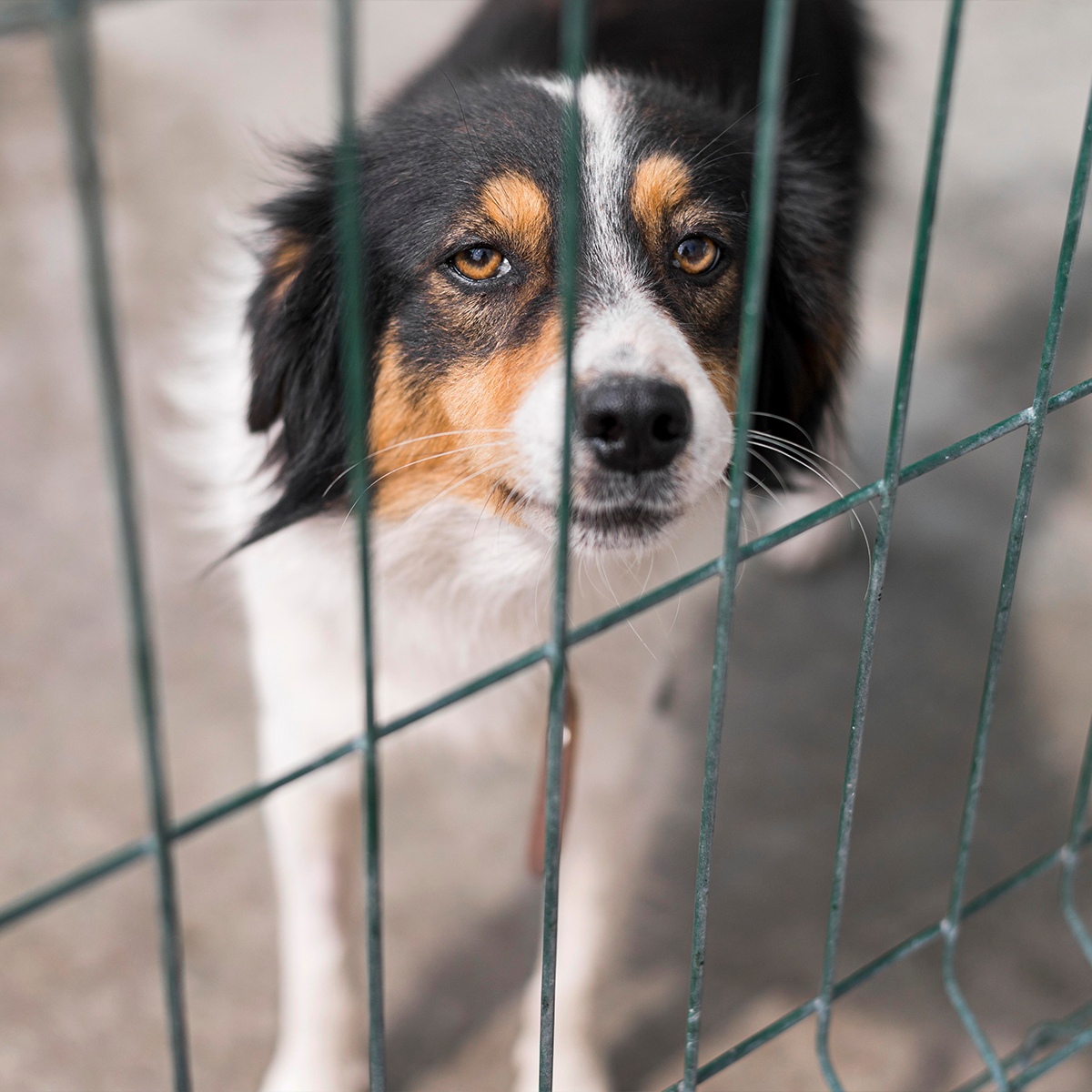
Visiting Your Chosen Dog
Matching & Application Process

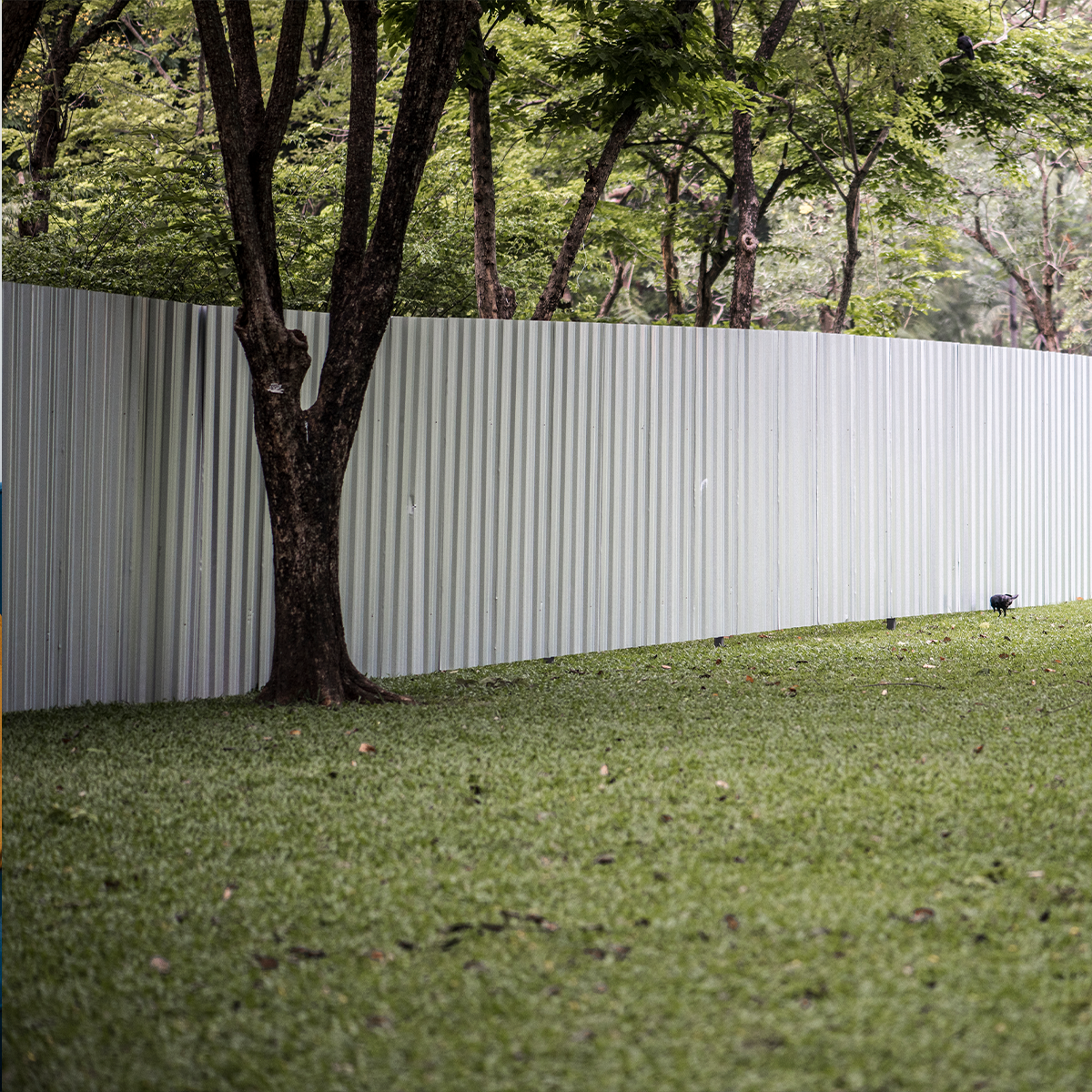
Home Check / Home Inspection
This is more of a check than an inspection. It is carried out to confirm that the information provided on your application forms matches your real-life circumstances.
A member of the associated shelter will visit your home and view the exterior of the property, including boundaries such as fences and walls, to ensure they are secure and that there is no risk of escape. They may also carry out a brief check of the interior of the home, often focusing on the downstairs area, to gain an initial understanding of the space available for your dog.
If everything goes to plan, your adoption process should be completed shortly afterwards.
Have you spoken with everyone in your home about adopting a dog?
A successful adoption has a higher chance of success when all household members are comfortable, informed and prepared to welcome a new dog into shared routines and responsibilities.
Paperwork & Adoption Agreement
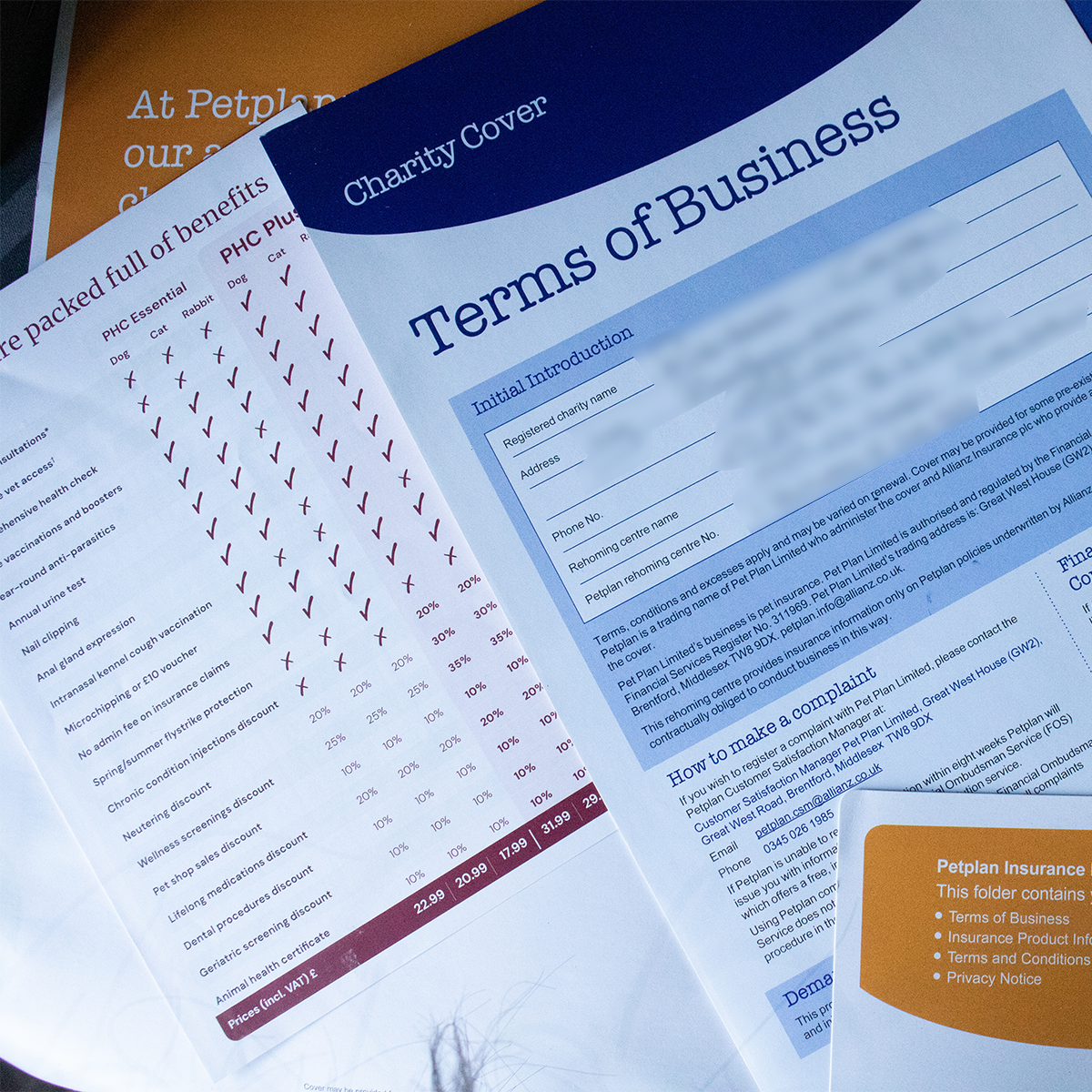
Often the most exciting yet administrative part of the process. During this stage of the adoption process, you will review and sign your adoption contract, agreeing to your responsibilities such as arranging pet insurance and providing appropriate standards of care, including commitments such as no tethering. The rescue will also provide any medical information and confirm the dog’s age if this has not already been shared.
They will also submit the new details to update the microchip, as it is standard practice for rescue dogs to be microchipped and neutered or spayed where appropriate, to ensure ethical adoption.
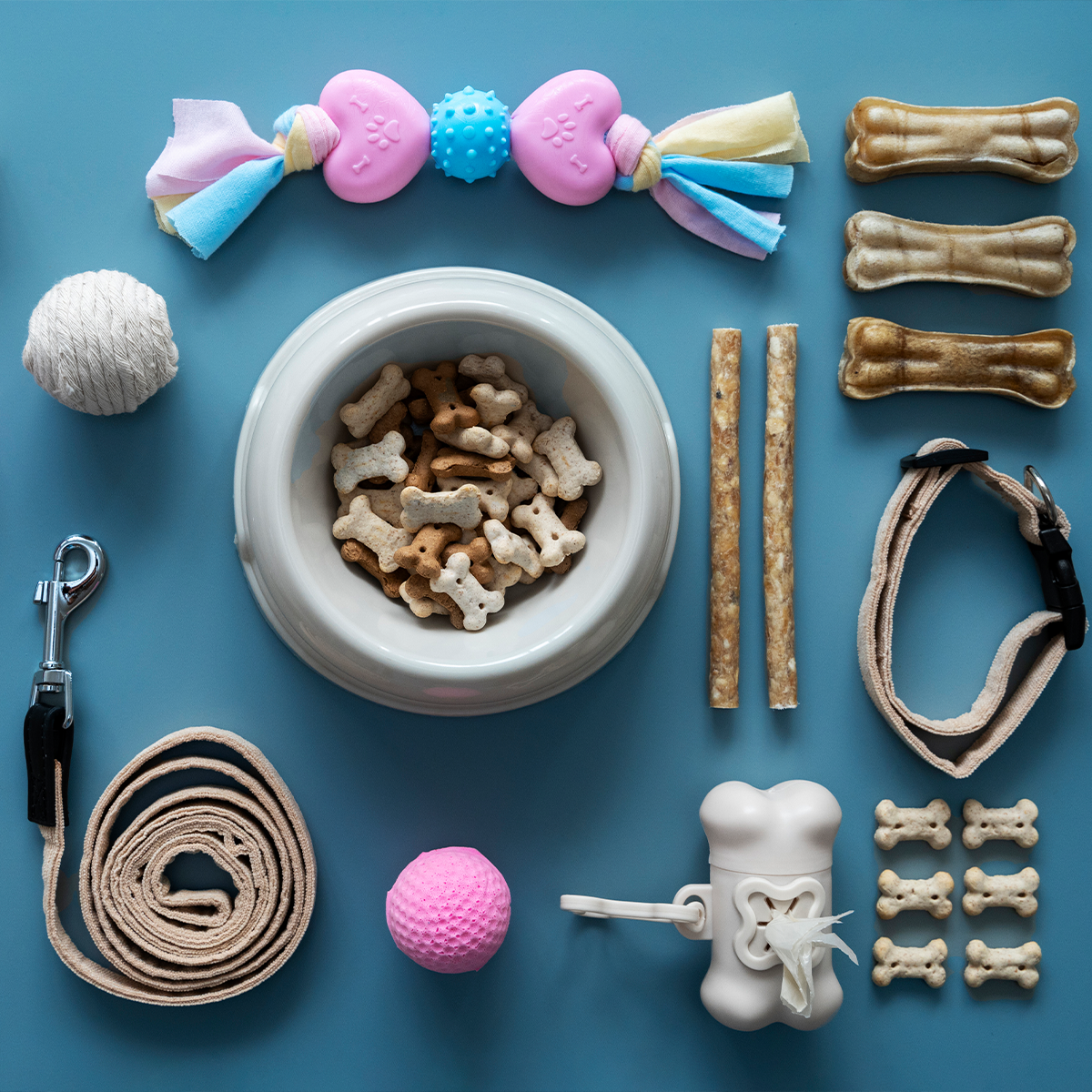
Preparing for Your Dog (Supplies Checklist)
This is a very important stage of the adoption process — and one that adopters often love the most. Getting prepared to bring your new companion Home!
You will need:
- Lead & collar
- Seatbelt and harness for safe car travel
- Dog bed or safe space, such as a crate
- Food recommended by the shelter
- Food and water bowls
- Toys and enrichment items, such as chews, lick mats and puzzle feeders for mental stimulation
- Training treats
- Poop bags
- Puppy pads (for puppies or senior dogs, if required)
Getting everything ready in advance helps ensure a calm, safe and smooth transition for your new companion.
Bringing Your Dog Home Safely
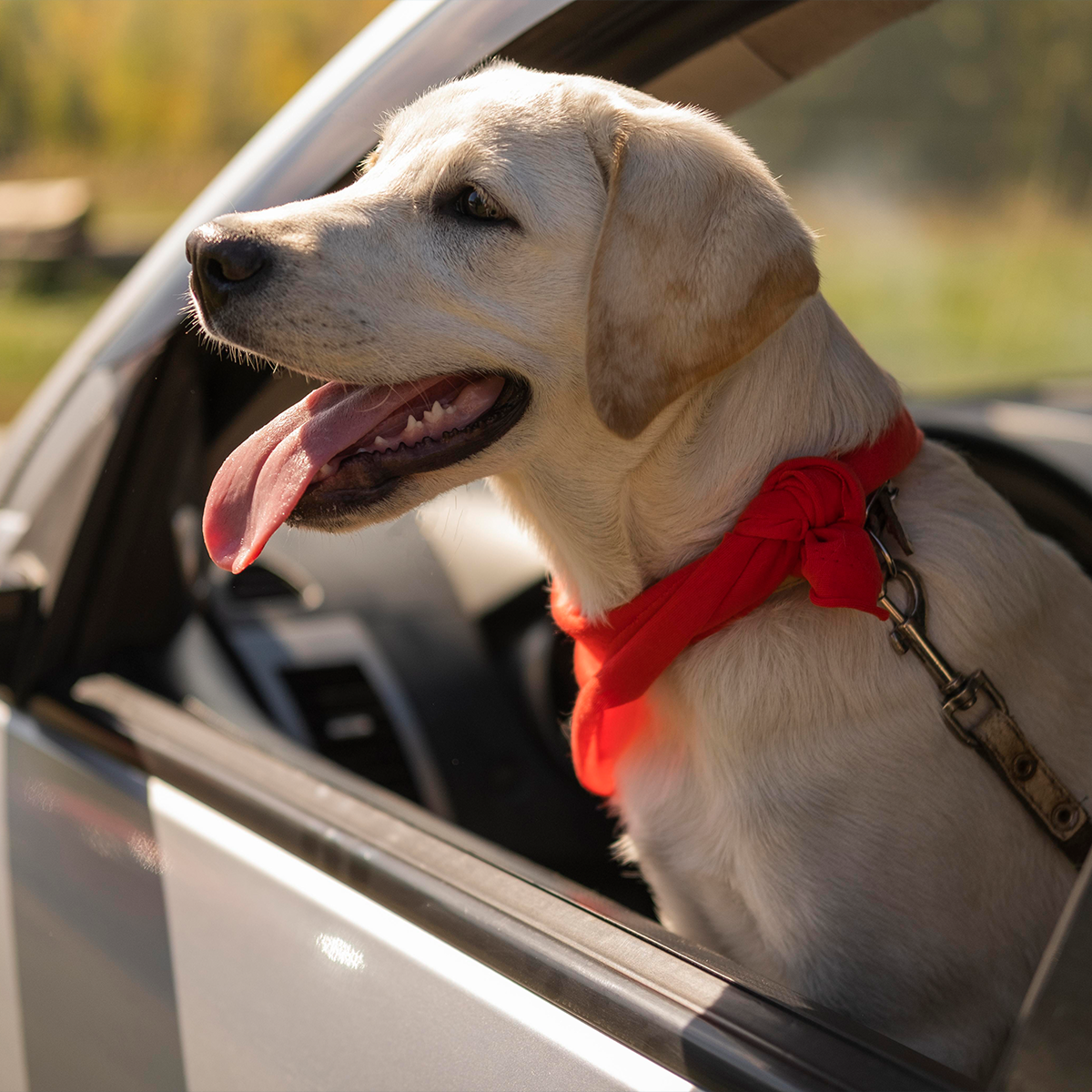
If traveling by car ensure you use an appropriate dog seatbelt, crate or secured harness to keep travel calm and safe.
Remember not to rush this part, as many rescue dogs can be overwhelmed by car travel, and don’t make any unneccesary stops on the way home.
Remember the 3-3-3 Rule.
First Day at Home
- Keep things calm and quiet, as everything is relatively overwhelming to them.
- Let them explore slowly, even better if they are on a lead, as you can start setting up those boundaries and creating a bond.
- Keep visitors to a minimum; the fewer, the better.
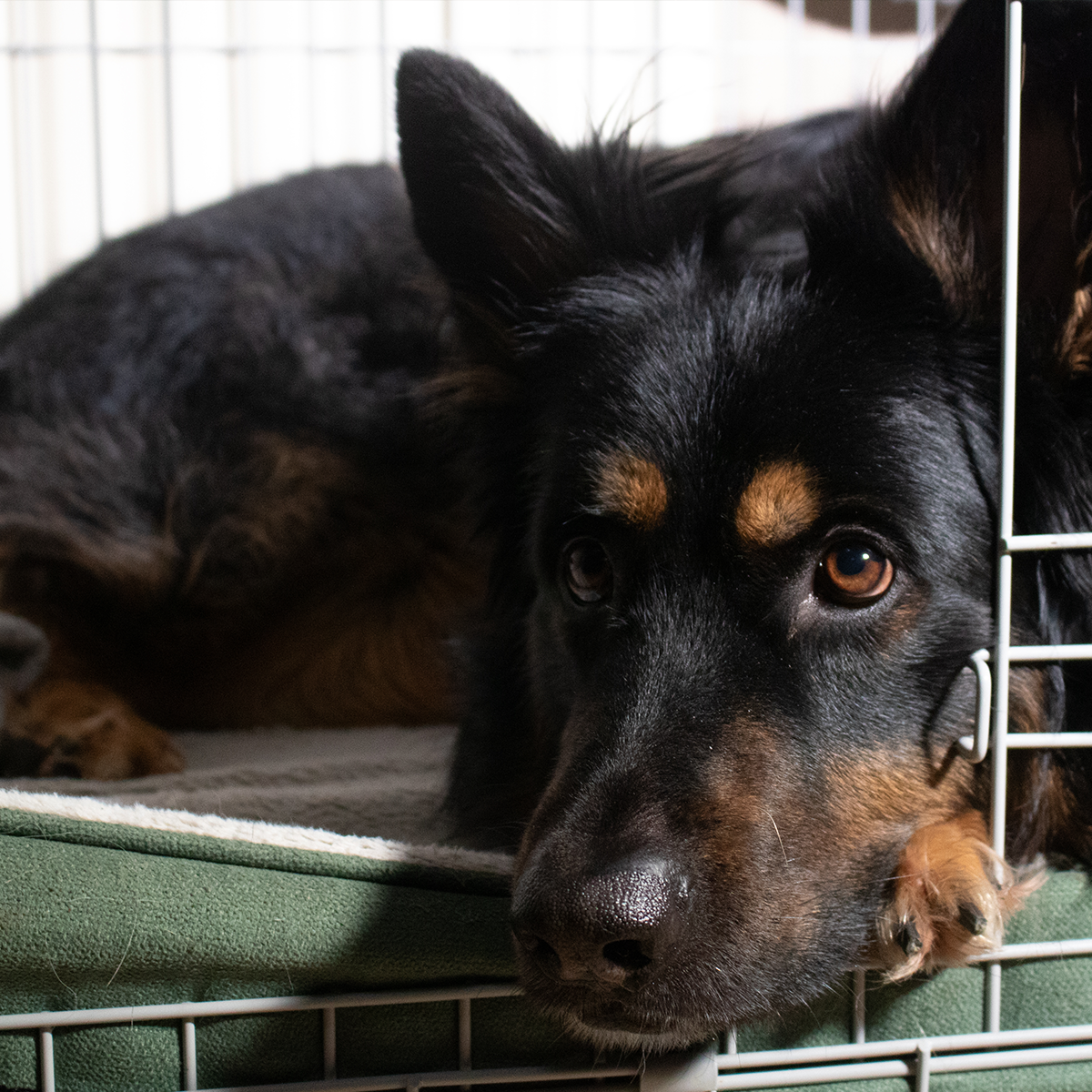
- Establish a safe space, such as an open crate with a bed or blanket.
- Stick to a basic routine, try not to leave the house multiple times, have lots of guests or make any major changes to the layout of the house; this should be done prior if required.
Vet Check-Up & Health Care
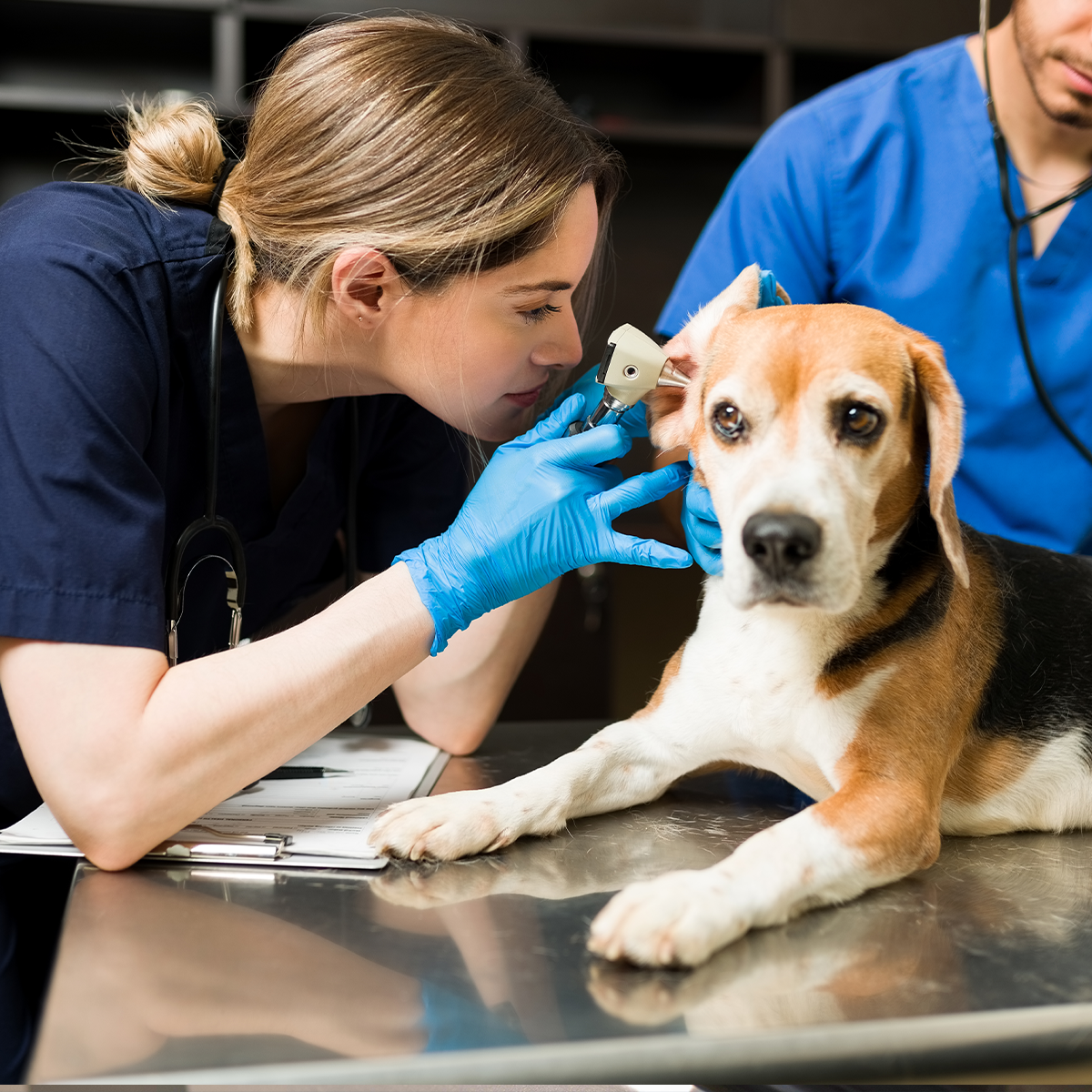
Register with a local vet and research the different plans they offer, as this can be cost-effective for check-ups, regular deworming and flea medication, and if a medical problem ever occurs.
Book your post-adoption vet check with your chosen vet. They will check the overall health of your dog, their weight, dental health, and joint health.
Consider your pet insurance options for when the one provided by the rescue/shelter runs out.
Settling-In Period (3-3-3 Rule)
Remember, behaviour changes are normal during adjustment.
First 3 Days:
Your new companion may be overwhelmed and scared.
Give them a quiet space, such as an open crate and limit introducing new people.
First 3 Weeks:
The initial stress fades, and they will begin to learn your routine and see where they fit into this new environment (testing boundaries), and show more of their true personality.
First 3 Months:
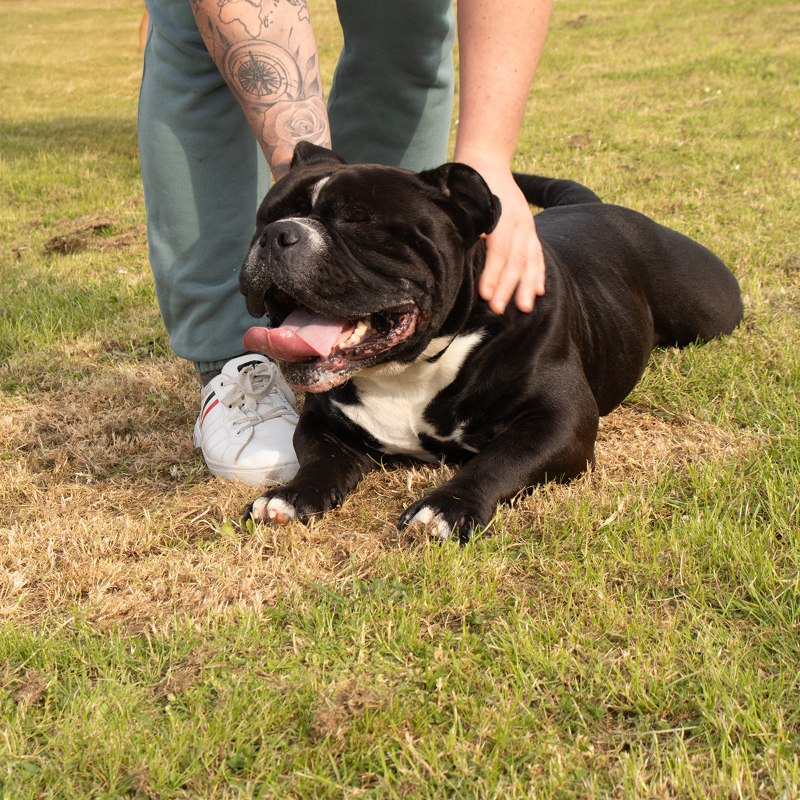
They now understand this environment is their permanent home, and you should continue to socialise them as they will be beginning to build their confidence.