
Pre-adoption Advice
Pre-adoption Advice
Explore adoption-ready dogs with transparent behavioural profiles and lifestyle compatibility guidance.

Where Your Journey Begins
So, you’re thinking about getting a dog and have decided to adopt — that’s wonderful. Your decision not only gives a shelter dog the chance of a loving home, but also helps create space and resources for other dogs in need while lessening the risk of euthanasia caused by overcrowding.
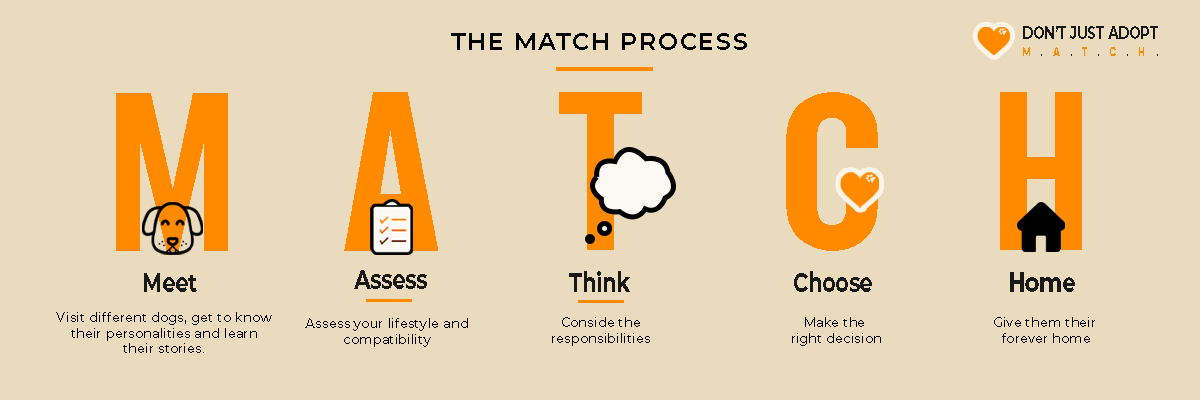
To give your adoption the best chance of success, follow our 5-step M.A.T.C.H. process and explore our pre-adoption guidance and adoption preparation resources to help you choose the right dog for your lifestyle, home and experience level.
Informative Choices
Turning an emotional choice into an informed decision is one of the most important parts of the adoption journey. It’s natural to be drawn to a dog based on looks, personality or an immediate connection, but successful adoptions depend on much more than emotion alone. To give a dog the best possible future, it’s essential to honestly assess your own lifestyle, routine, living situation and ability to meet their physical, emotional and financial needs.
Shelters make matching decisions based on lifestyle compatibility, not personal judgement. They are looking at whether a specific dog’s needs align with a potential adopter’s circumstances, experience and environment. For example, a one-bedroom studio apartment in Belfast would not typically be suitable for a large, high-energy breed such as a German Shepherd, but may be well suited to a smaller dog such as a Yorkshire Terrier.
If an application is declined, it is not a reflection on you as a person, but rather a decision made in the best interest of the dog. Sometimes the timing isn’t right, and other times a different match may simply be more suitable — the right dog will come when the fit is correct for both of you.


Is Your Home Dog Ready?
Living space suitability
Consider your home environment and the space available for a dog.
Do you live in an apartment, a terrace, a semi-detached, or a detached house?
Do you live in a city, the suburbs, or a rural area?
It’s also important to think about outdoor access – a space where your dog can explore and exercise securely and safely.
Do you have a balcony, garden or dog run?
Safe environment
Have you inspected your home for any potential hazards or escape risks, such as loose fencing, gaps under fences, or chemicals within reach?
Rental permission / landlord approval
Do you own your own home, or do you rent from a landlord?
If you are renting, it’s important to consider your tenancy agreement and how long it is in place for.
You should also check whether you have permission to keep a dog in the property, as some agreements have restrictions on pets.
Time at home vs work schedule
How many hours a day do you spend at home, excluding work, errands and personal commitments?
When you first adopt a dog, it is important to spend as much time with them as possible to help ensure a smooth transition into their new environment and to build a strong bond.
Once your dog has settled in, you can gradually increase the time they are comfortable being left alone. It is also important to introduce gradual training and build positive routines to help them adjust confidently to home life.
Have you spoken with everyone in your home about adopting a dog?
A successful adoption has a higher chance of success when all household members are comfortable, informed and prepared to welcome a new dog into shared routines and responsibilities.
Lifestyle and Time Commitments
Different dogs have different needs and requirements when it comes to exercise, stimulation and routine.
Consider whether your lifestyle is more suited to:
- Low to moderate energy dogs
- Active, high-energy dogs
- Experienced or first-time ownership
Do you have the time for a high-energy dog, or the patience and knowledge for a dog with behavioural problems?
Matching energy levels and experience is key to a successful, sustainable adoption.

💰 Financial Readiness
Are you prepared for the ongoing costs of dog ownership, including food, grooming, training, insurance, pet plans and unexpected veterinary care?
The cost of adoption is ongoing, it’s not just a bulk payment when signing the papers.
It is a long-term commitment, and financial stability plays an important role in ensuring a dog’s lifelong wellbeing.
This is why it is important to have an insurance plan in place. Most shelters will already require this or provide 6 months free with your adoption.
Emotional Readiness
Are you prepared to give a dog time to adjust to a new environment?
While some dogs settle quickly, others may take weeks or months to fully relax and show their true personality. Patience, consistency and understanding are essential to a successful, sustainable adoption.
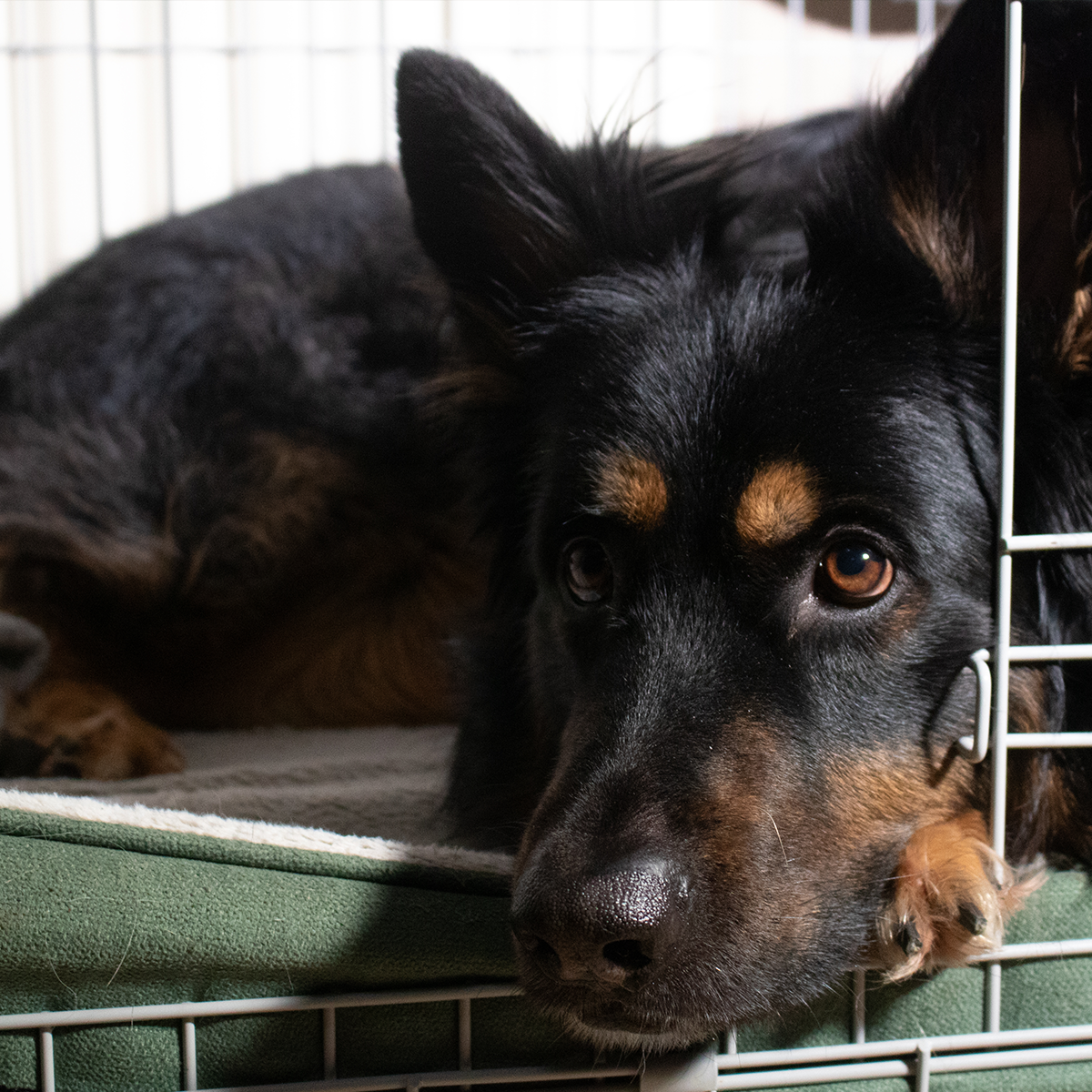
Finding the right dog doesn’t rely on appearance or first impressions — it’s about compatibility, lifestyle fit and long-term commitment.
Take time to assess your readiness and increase your chance of a successful, lifelong match.
Breed Requirements
Small Dogs
Individual dogs may vary, and suitability is always assessed on a case-by-case basis.
Apartment-friendly companions
These are generally smaller breeds, with a lower activity level:
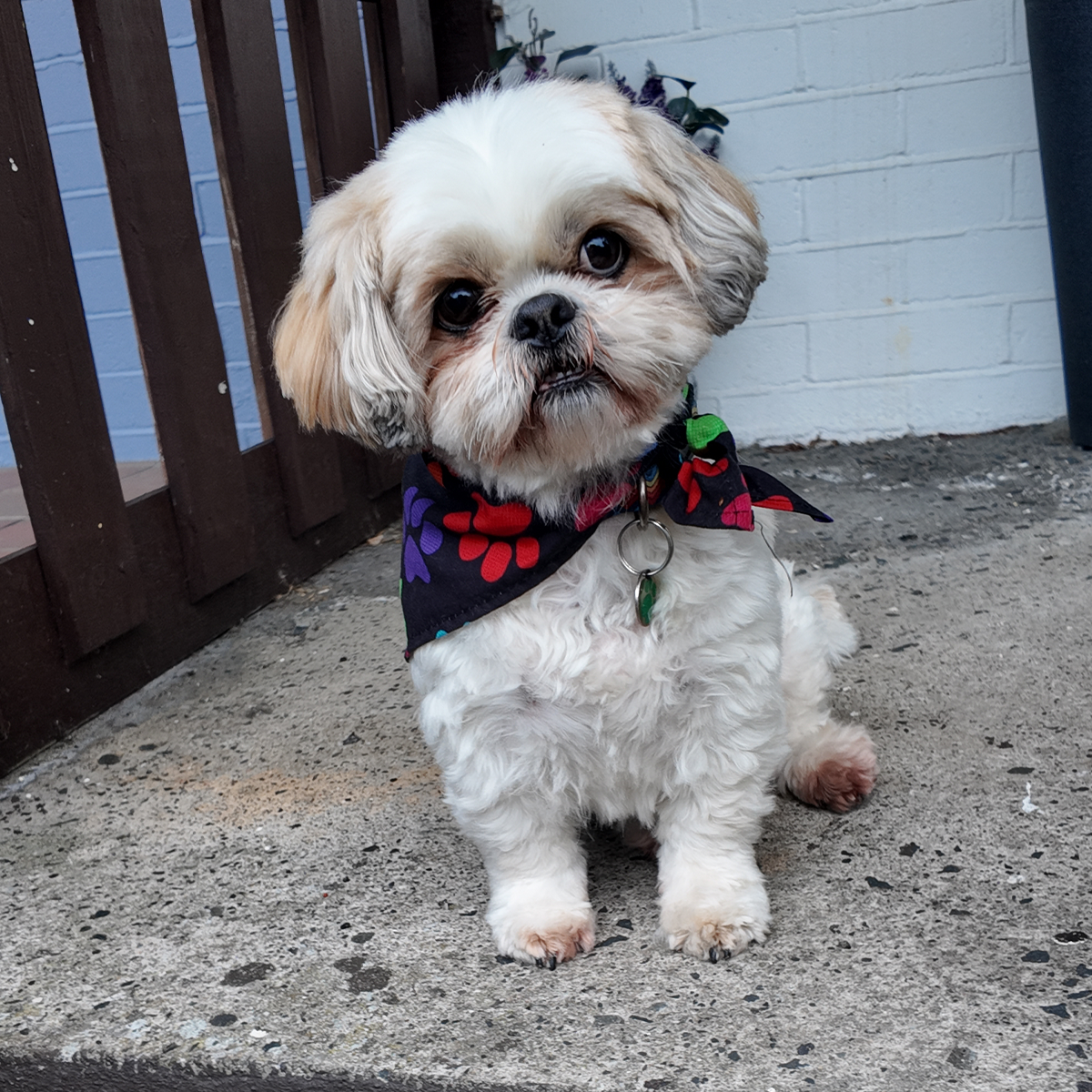
Chihuahua, Shih Tzu, Cavalier King Charles Spaniel, Pug, Maltese.
These breeds can be well-suited to apartment living or smaller homes. However, they still require daily walks, light exercise and mental stimulation. As a general guide, they benefit from 2–3 short walks per day, totalling approximately 20–40 minutes of exercise, alongside enrichment such as play, training and social interaction.
Moderate Energy
These are generally small dogs with balanced exercise and stimulation needs.
Cavalier King Charles Spaniels, Shih Tzus, Bichon Frises, Maltese and similar small companion breeds or crossbreeds.
They can adapt well to a variety of home environments, including apartments, provided their daily needs are met.
As a general guide, these dogs benefit from around 20–40 minutes of exercise per day, along with mental stimulation.
High Energy
These are small dogs with higher activity levels and stronger exercise and enrichment needs.
Jack Russell Terriers, Miniature Pinschers, Dachshunds and other small terrier or working-type breeds.
Despite their size, they are often very active and require consistent structure and engagement.
As a general guide, these dogs typically require 45–90 minutes of daily exercise, alongside training, enrichment and mental stimulation to keep them happy and well-balanced.
Medium Dogs
Individual dogs may vary, and suitability is always assessed on a case-by-case basis.
Moderate Energy
These are generally medium-sized dogs with balanced exercise and stimulation needs.
Cocker Spaniel, Staffordshire Bull Terriers, smaller Collie mixes and other medium crossbreeds.
They often suit a wide range of homes and can adapt well to family life when provided with a routine, training and daily activity.
As a general guide, these dogs benefit from around 1 hour of exercise per day, which can include walks, play and basic training. They also enjoy mental stimulation and regular interaction with their adopters.
High Energy
These are medium-sized dogs with higher activity levels and stronger exercise and enrichment needs.
Border Collie types, Springer Spaniels, working-line mixes and other high-drive medium breeds.
They are best suited to active households that can provide structure, training and ongoing engagement.
These dogs typically require 1–2+ hours of daily exercise, alongside mental stimulation such as training, enrichment games and controlled off-lead activity where appropriate.
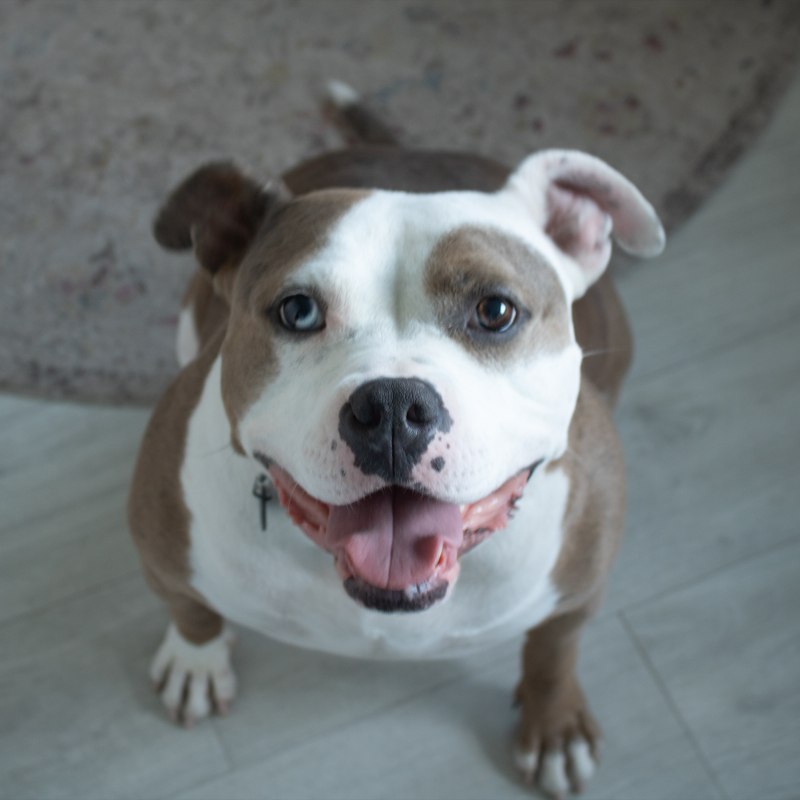
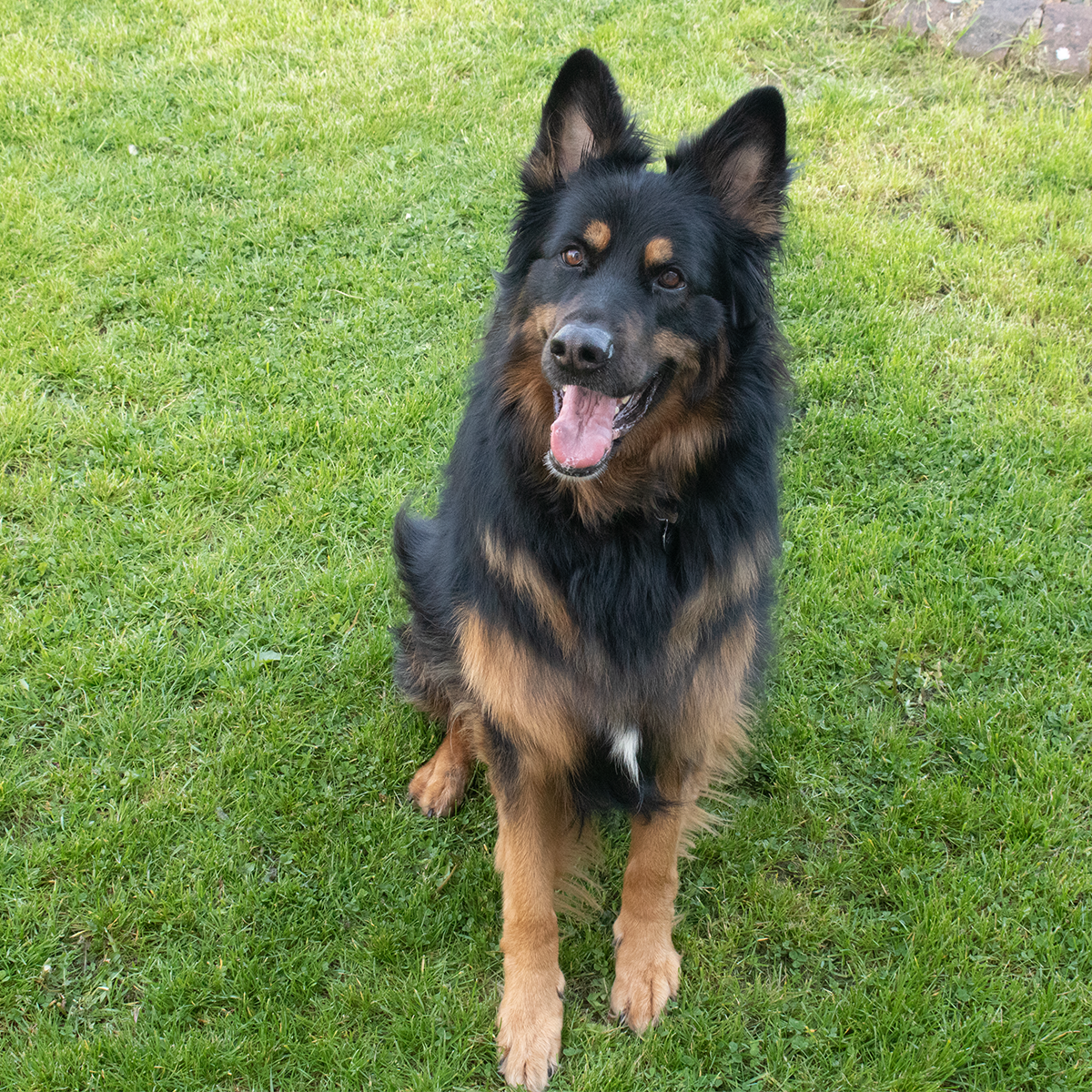
Large Dogs
Individual dogs may vary, and suitability is always assessed on a case-by-case basis.
Moderate Energy
These are larger dogs that are generally more settled in nature, though they still require regular exercise and stimulation to remain healthy and content.
Labrador Retrievers, Golden Retrievers, Bernese Mountain Dogs and some large mixed breeds.
As a general guide, they benefit from around 1–1.5 hours of daily exercise, including walks, enrichment and time spent interacting with their owners. They often suit family environments that can provide consistency, space and routine.
High Energy
These are large, active dogs with significant exercise, training and mental stimulation needs.
German Shepherds, Belgian Malinois, some Collie-type mixes and other high-drive working breeds.
They are best suited to experienced, active owners who understand working breeds and structured exercise requirements.
These dogs typically require 1.5–2+ hours of daily exercise, alongside structured training, enrichment activities and ongoing mental engagement to support their wellbeing.